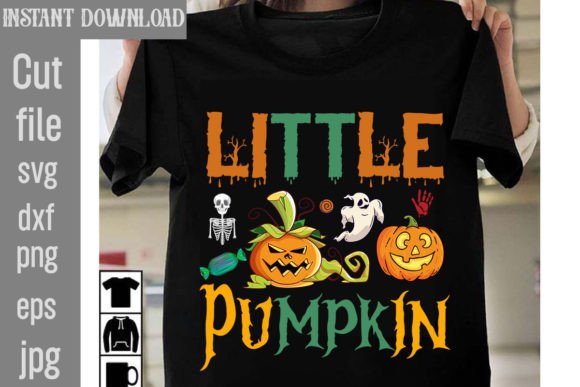
Little Pumpkin: A Designer’s Real-World Embroidery Review
First Impressions: Simple, Sweet, and Seasonally Versatile
When I first opened the Little Pumpkin design, I was struck by how clean and uncluttered it is. It’s a minimalist pumpkin motif with just enough detail to feel hand-drawn, but not so much that it becomes overwhelming. The shape is compact and slightly rounded, making it ideal for small to mid-sized hoop projects. It carries a soft, autumnal mood without being overtly holiday-specific—meaning it can work from early September through Thanksgiving.
The layout is balanced and symmetrical, with a subtle shadow effect that gives depth without complicating the stitch count. It feels like a design that was built with both machine efficiency and visual clarity in mind. For an embroidery designer or small business owner, that’s a solid foundation to work with.
Real-World Use: From Tote Bags to Baby Onesies
I recently picked up a custom order for embroidered fall-themed tote bags for a local boutique, and I immediately thought of Little Pumpkin as a potential accent design. I tested it on a medium-weight cotton canvas, and the results were clean and professional. The satin stitch outlines held up well, and the fill stitch areas were even and smooth.
What surprised me was how well it translated to smaller items. I resized it slightly to fit on baby onesies and it still maintained its character. The pumpkin’s stem and shadow lines stayed sharp, and the overall design didn’t look squashed or distorted. That’s a big win for crafters and Etsy sellers who want a single design that works across multiple product lines.
Mockup Testing: Visualizing the End Product
Before stitching, I always run a quick mockup using the included PNG and JPEG files. The transparent background PNG made it easy to layer over a mockup of a taupe sweatshirt and a denim apron. The JPEG mockup gave me a realistic idea of how the design would look stitched out, which is especially helpful when presenting options to clients.
I appreciated that the files were high resolution (300 dpi) and compatible with Silhouette software, which is widely used in the craft and embroidery community. It made the design preview process fast and reliable—no pixelation or distortion even when scaled up or down.
Where to Use with Care
While Little Pumpkin is versatile, it does have some limitations. On stretchy knit fabrics like jersey or performance blends, I noticed slight puckering around the fill stitch areas. It’s not a deal-breaker, but it does require a bit more stabilizer and careful hooping to maintain clarity.
Dark fabrics also posed a challenge. The pumpkin’s natural color palette relies on warm tones, so when stitched on black or navy, the contrast was either too stark or washed out depending on the thread choice. I recommend testing on a dark fabric swatch and adjusting thread colors accordingly.
It’s also not the best choice for curved surfaces like baseball caps. The rounded stem and shadow lines tended to distort slightly when stitched on a curved cap panel. For flat surfaces like tote bags, sweatshirts, or pillow covers, it’s perfect. But for curved or layered garments, proceed with caution and test first.
Design Performance Across Product Types
- Custom Apparel: Works well on t-shirts and sweatshirts, especially when paired with coordinating text or borders.
- Baby Items: Cute and not overly thematic, making it a good fit for onesies, burp cloths, and baby blankets.
- Patches: The clean lines and minimal detail make it ideal for embroidered patches that need to be durable and clearly recognizable.
- Holiday Gifts: A great accent for seasonal items like tea towels, mugs (as part of a digital mockup), and gift bags.
- Commercial Embroidery: Scales well for small business merchandise like staff aprons or boutique tote bags.
Visual Appeal and Customer Perception
From a design standpoint, Little Pumpkin strikes a nice balance between whimsy and professionalism. It reads as handmade without looking amateurish. That’s a big plus for Etsy sellers and craft entrepreneurs who want to maintain a polished, cohesive brand image.
Customers responded positively when I used it on a batch of embroidered tea towels for a local market. They described it as “charming” and “approachable”—which is exactly the kind of feedback you want when selling handmade or personalized items. It’s not overly bold or flashy, but it’s still distinctive enough to stand out in a product lineup.
Practical Designer Notes Before You Stitch
Here are a few key takeaways from my testing and use of Little Pumpkin:
- Test on scrap fabric first, especially if you’re using a textured or stretchy material.
- Check thread color contrast, particularly on dark or light backgrounds.
- Review stitch density, especially in the shadow areas—adjust if needed for fabric type.
- Confirm hoop size compatibility before stitching on smaller machines.
- Inspect small details like the stem lines to ensure clarity after stitching.
- Test in black and white mockups to see how the design reads without color.
- Use proper stabilizer to prevent distortion on stretchy or delicate fabrics.
- Verify licensing if you plan to sell finished products or digital mockups using this design.
Final Thoughts: A Solid Addition to Your Design Kit
Overall, Little Pumpkin is a well-balanced, easy-to-use embroidery design that fits a variety of seasonal and everyday projects. It’s especially valuable for small shop owners and digital product sellers who need a design that can be used flexibly without sacrificing quality or visual appeal.
It won’t overwhelm your hoop, your machine, or your customer’s eye. And in the world of embroidery design, that’s a rare and useful thing. Whether you’re creating custom apparel, boutique merchandise, or personalized gifts, Little Pumpkin is worth adding to your digital design library.