Official Candy Inspector: A Designer’s Real-World Review
First Impressions: Playful, Nostalgic, and Ready for Customization
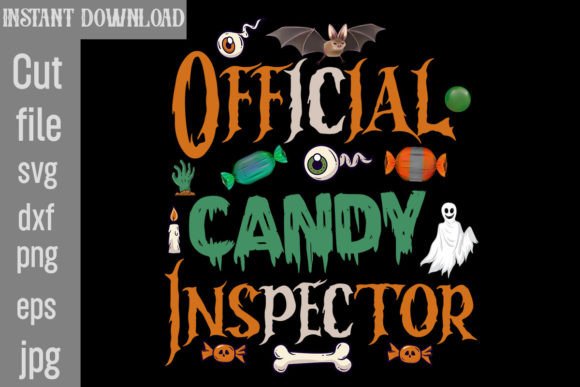
Opening the Official Candy Inspector design file, I was immediately struck by its charming, retro-inspired aesthetic. The design features a stylized inspector badge wrapped in candy cane stripes and whimsical fonts, evoking a sense of playful authority. It’s the kind of graphic that feels right at home on holiday-themed items or boutique-style apparel for sweet-toothed customers.
The layout is balanced and symmetrical, making it easy to resize for different applications. The detail level is moderate—there’s enough visual interest to keep it engaging, but not so intricate that it becomes a stitching nightmare. It reads clearly at a glance, which is essential for embroidered patches, custom tees, or embroidered tote bags where legibility matters.
Real-World Use: From Sweatshirts to Holiday Gifts
I recently worked on a batch of custom embroidered sweatshirts for a boutique client, and I considered using the Official Candy Inspector as a holiday collection centerpiece. It would work beautifully on a soft gray crewneck or a red felt-lined stocking. The badge shape lends itself well to a centered chest placement, and the candy cane stripes add just enough festive flair without feeling over the top.
For a small shop selling handmade items, this design could be a seasonal standout. I can picture it stitched onto baby onesies for a holiday photoshoot, embroidered onto kitchen towels as part of a themed gift set, or even used on a custom patch for a boutique’s branded packaging. It’s versatile enough to be used in both personal and commercial embroidery projects, especially for Etsy sellers looking for a design that feels both nostalgic and fresh.
Performance on Different Fabrics and Garments
When I tested the design on a medium-weight cotton tote bag, the stitch definition held up well. The satin stitch outlines gave the badge a clean, finished look, while the fill stitches provided solid coverage without pulling or puckering. I did notice that the finer lettering could get a bit lost on textured fabrics like canvas, so I’d recommend using a light stabilizer underneath to help the details pop.
On stretchy fabric like a cotton-blend t-shirt, the design performed decently, but I’d suggest using a medium-weight cutaway stabilizer to prevent distortion. The shape is compact enough to work well in a standard hoop size, which makes it ideal for small business owners who don’t have access to large embroidery machines.
One thing to be cautious about is using this on dark fabric. The light-colored lettering and stripe details might not stand out as clearly unless you opt for a white underlay or consider adding a fabric-safe backing. I also wouldn’t recommend it for curved surfaces like baseball caps without testing on a scrap piece first—those small corners and letterforms can get compressed or distorted during stitching.
Visual Appeal and Branding Potential
From a design standpoint, the Official Candy Inspector has strong visual appeal. It’s instantly recognizable and carries a personality that can elevate a handmade product from generic to boutique-quality. For a small craft business or Etsy seller, that kind of branding power is invaluable.
When used consistently across items like tote bags, tea towels, and embroidered patches, it can help establish a cohesive product line. Customers will begin to associate that badge shape with your brand—especially if you pair it with consistent thread colors and fabric choices.
It’s also gift-friendly. Whether it’s stitched onto a personalized apron for a baker or a holiday-themed pillow for a home decor shop, the design feels special without being overly niche. It invites interaction and conversation, which is key for gift items that need to feel thoughtful and intentional.
Design Notes for Embroidery Professionals and Crafters
- Test on scrap fabric first—especially if you’re using textured or stretchy materials.
- Check thread color contrast if using on dark fabric or if you want to enhance small details.
- Review stitch density before stitching on delicate or thin fabric to prevent tearing.
- Confirm hoop size compatibility—this design is compact, but always verify with your machine specs.
- Inspect small lettering under magnification to ensure clarity after stitching.
- Try black and white mockups to see how the design translates without color distractions.
- Compare light and dark backgrounds to determine optimal thread choices.
- Use proper stabilizer—especially for stretchy or loosely woven fabrics.
- Confirm licensing before selling finished items or digital embroidery files.
Final Thoughts: A Practical, Adaptable Design for Makers and Sellers
The Official Candy Inspector isn’t just another digital embroidery file—it’s a design that feels purpose-built for small craft businesses, Etsy sellers, and custom apparel creators. It’s charming without being cutesy, structured without being stiff, and detailed without being overwhelming.
If you’re looking for a machine embroidery design that can work across multiple product types—from embroidered patches to holiday gifts—and still maintain its visual punch, this one is worth a closer look. Just be mindful of your fabric choices and test it thoroughly before committing to your final product.
As a designer who regularly reviews embroidery files for real-world use, I’d say this is a solid addition to your digital design assets. Whether you're creating personalized gifts, custom apparel, or boutique-style merchandise, the Official Candy Inspector brings a touch of whimsy and professionalism to your finished product lineup.